Inside the Feedback Loop: Algorithmic Personalization, Cognitive Bias, and Well-Being
Hyper-Targeted Recommendations, Information Polarization, and Strategies for Digital Balance
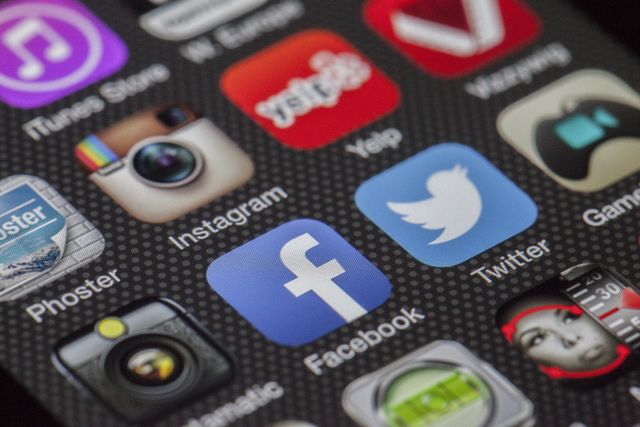
Modern social media architectures are engineered around advanced machine learning recommendation engines designed to maximize user session length and platform retention. By processing vast streams of telemetry data—including pause times, search queries, comment sentiment, and sharing behaviors—algorithms generate hyper-personalized content feeds tailored precisely to an individual’s implicit preferences. While this hyper-curation enhances user satisfaction by surfacing relevant content, it simultaneously creates powerful filter bubbles and echo chambers that insulate users from alternative perspectives and diverse information.
The psychological ramifications of prolonged exposure to algorithmically curated environments are a subject of intense interdisciplinary study. Continuous exposure to idealized lifestyle depictions, outrage-inducing news items, or validating confirmation bias can heighten social anxiety, amplify cognitive fatigue, and foster ideological polarization. Because engagement-maximization algorithms often prioritize content that triggers strong emotional reactions—such as fear, indignation, or novelty—users can become trapped in negative content feedback loops that subtly skew their perception of social reality.
In response to growing public awareness and legal scrutiny regarding digital well-being, both platform developers and users are pursuing corrective measures. Social networks are increasingly introducing features designed to promote conscious usage, such as time-limit prompts, feed resets, and chronological viewing modes. Concurrently, a growing movement toward digital literacy encourages users to audit their feed inputs, diversify their content sources, and practice intentional disconnection to safeguard mental clarity in an age of continuous algorithmic stimulation.

Popular Tools
Recent Posts